







In daily life, we commonly see standard household power plugs on electrical appliances. However, in harsh environments such as stormy outdoor conditions, high-temperature solar power stations, or high-speed industrial robot joints, ordinary plugs are simply not capable of ensuring stable and continuous operation. In these scenarios, industrial-grade aviation connectors become the core hub for reliable power, signal, and data transmission.
So, what exactly is the difference between aviation connectors and ordinary plugs? And why must industrial, new energy, and other demanding applications rely on industrial aviation connectors? This article provides a detailed explanation.
1. Four Key Differences Between Aviation Connectors and Ordinary Plugs
Although both are used for transmitting power, signals, or data, aviation connectors differ fundamentally from ordinary plugs in structure, materials, and protection level.
1) Locking Mechanism: Mechanical Locking vs. Friction Fit
Ordinary plugs rely only on weak physical friction between metal contacts for retention. They are prone to loosening or disconnection under vibration or external pulling forces.
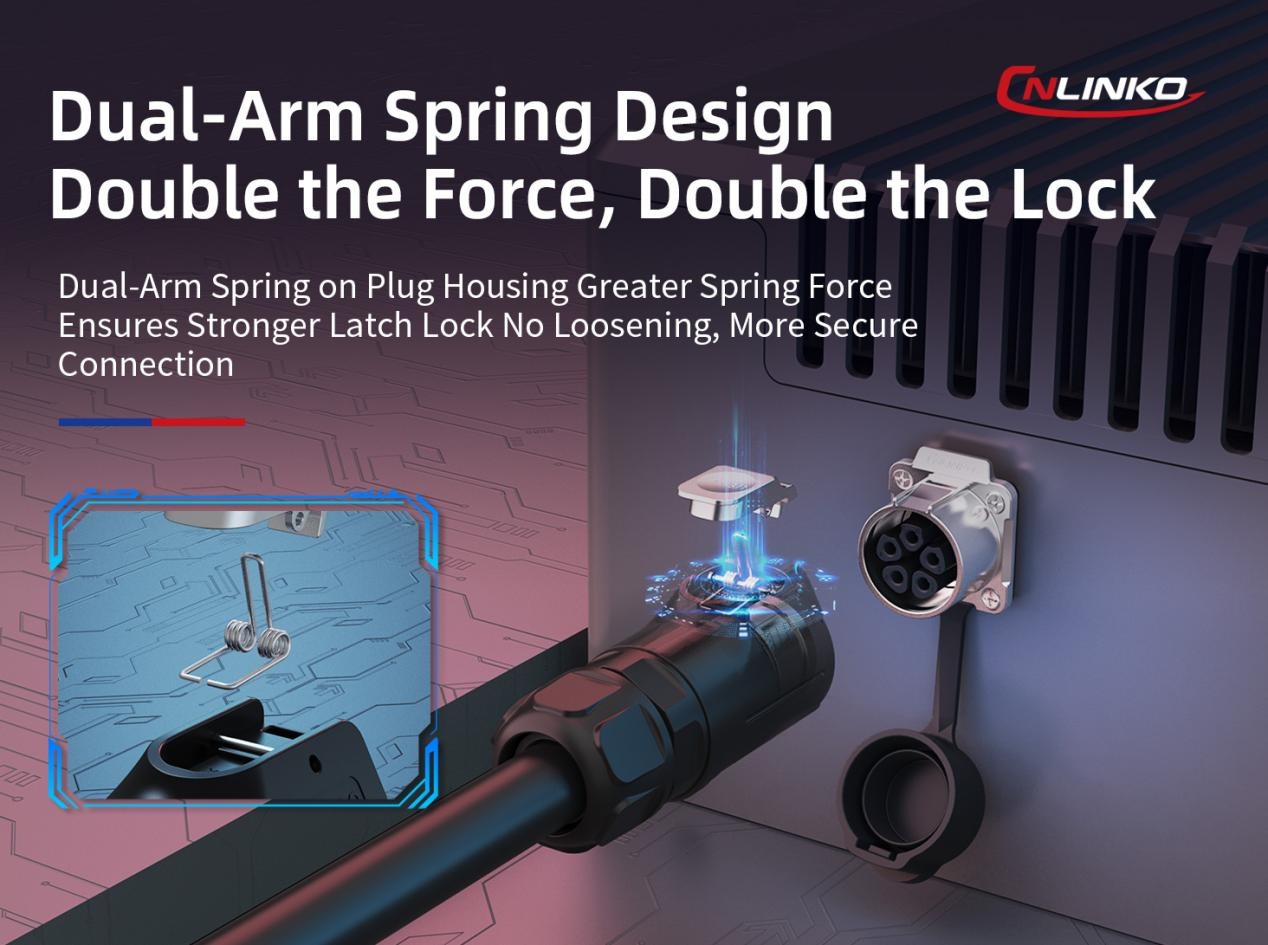
Aviation connectors, however, use robust mechanical locking structures (such as push-button locking or bayonet-style locking). Once engaged, they are securely locked in place and will not disconnect under heavy vibration, mechanical shock, or pulling forces.
2) Protection Level: IP68/IPX9K vs. No Protection
Ordinary plugs offer no dust or water protection. Moisture or dust ingress can easily cause short circuits or electrical hazards.
Industrial aviation connectors are typically rated IP68/IPX9K, enabling them to withstand rain, immersion, and even high-temperature, high-pressure water jets (80°C, 80–100 bar), while maintaining full electrical integrity.
3) Materials & Durability: Engineering-Grade Materials vs. Household Plastics
Ordinary plugs are usually made of basic PVC plastic, which is prone to aging, cracking, and poor temperature resistance.
Aviation connectors are made of high-strength alloys or UV-resistant, flame-retardant engineering plastics. They can operate reliably in extreme temperature ranges from -40°C to +120°C, with strong resistance to UV radiation, chemicals, and salt spray corrosion.
4) Electrical Performance: Low Contact Resistance & High Current Capacity
Industrial applications often involve high voltage and high current loads. Ordinary plugs tend to overheat or even melt under such conditions.
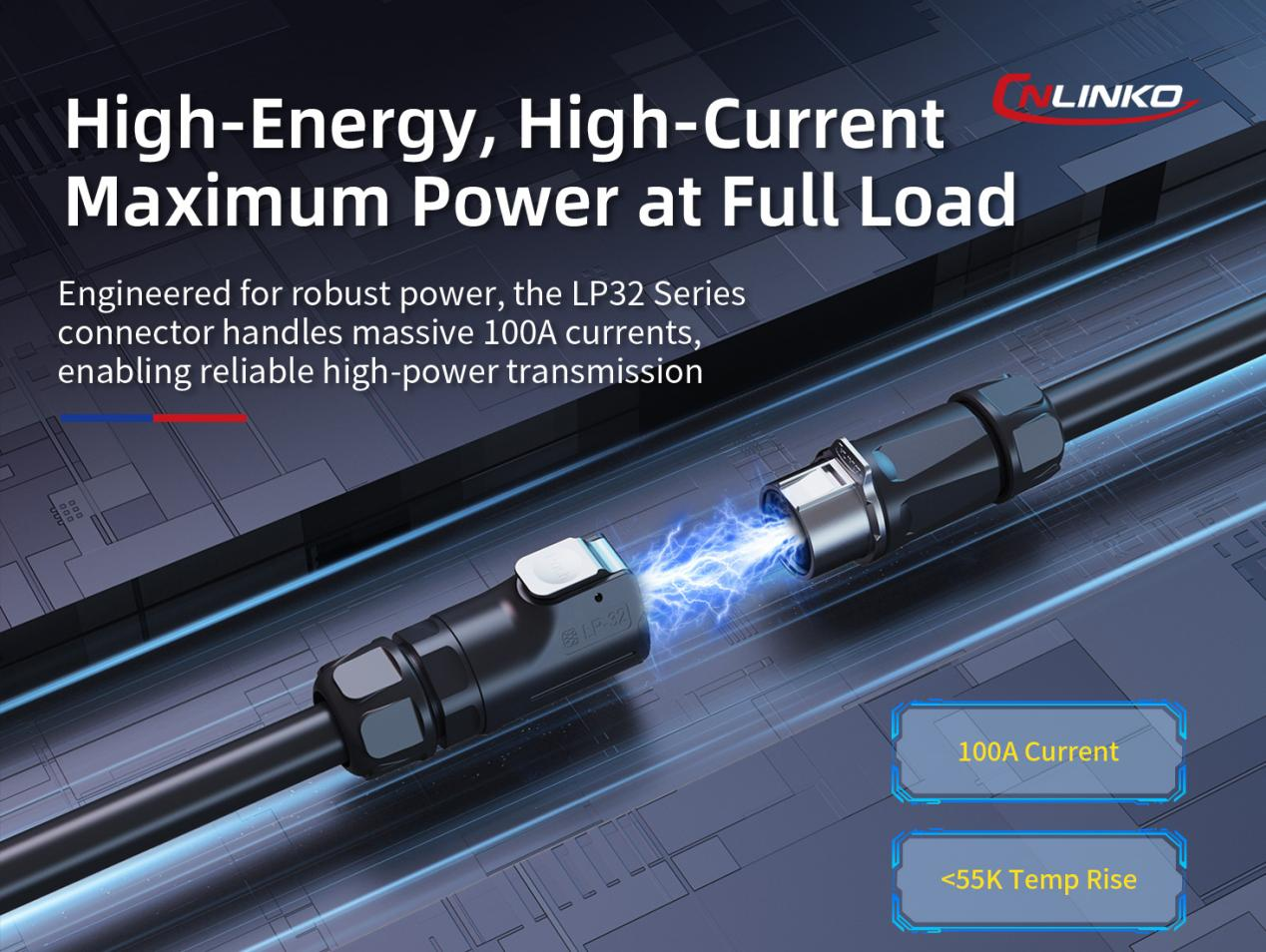
High-quality aviation connectors use high-conductivity copper alloy contacts and low-temperature-rise high-current design technologies, enabling stable transmission from tens to over 100A while minimizing heat generation and energy loss.
2. CNLINKO: Solving the Four Major Industrial Interconnection Challenges
To address the limitations of ordinary plugs in industrial environments, CNLINKO, a leading one-stop provider of industrial waterproof connection solutions, has developed a full range of aviation connectors that directly solve the above challenges with high reliability and performance.
1) Locking Structure: Self-Developed Anti-Vibration Fast Lock
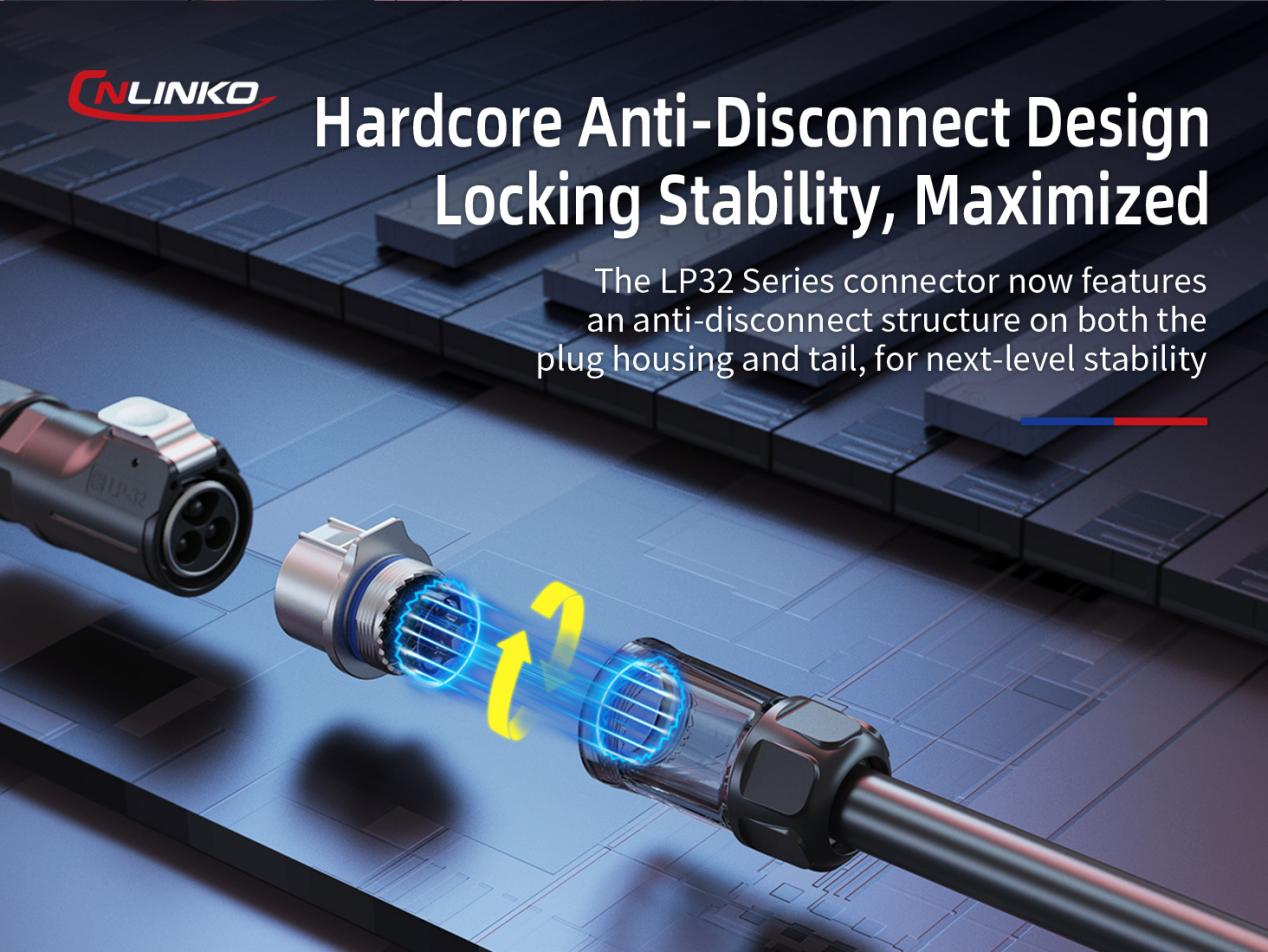
CNLINKO’s LP series push-button quick-lock and DL series dual-lock mechanisms provide strong mechanical retention force. They withstand high-frequency vibration in vehicle systems, smart landing platforms, and AGV robots, ensuring stable power and signal transmission even under harsh motion conditions.
2) Protection: IP68/IPX9K Waterproof & Dustproof Performance
CNLINKO connectors use precision multi-layer sealing structures with high-elastic silicone rubber sealing rings. They remain fully sealed in outdoor solar farms or energy storage systems under prolonged rain or immersion (IP68), and also withstand 80°C high-pressure washdowns in food and pharmaceutical production lines (IPX9K), ensuring zero leakage and zero short-circuit risk.
3) Materials: Extreme Environmental Resistance & Wide Temperature Design
CNLINKO offers both high-strength metal housings (DH full-metal / BD metal series) and UV-resistant, flame-retardant engineering plastic housings (DL/YM series). These connectors operate reliably from -40°C to +120°C and maintain structural integrity in harsh environments such as deserts and coastal salt-spray zones without aging or degradation.
4) Electrical Performance: Ultra-Low Contact Resistance & Low Temperature Rise
With high-conductivity copper alloy contacts and proprietary low-temperature-rise high-current control technology (up to 100A+ capacity), CNLINKO connectors ensure stable performance under continuous high-load conditions. They effectively suppress thermal buildup, ensuring safe, efficient, and long-term power transmission.
Conclusion
“As a reliable connection solution for every demanding industrial application.”
With over two decades of engineering expertise and rigorous testing standards, CNLINKO provides a comprehensive range of industrial aviation connectors featuring multiple sizes, pin configurations, interfaces, and installation options—making it your most reliable partner for industrial-grade connectivity solutions.